Seamless Gutters Versus Sectional Gutters: Key Differences
When heavy afternoon thunderstorms roll through Pell City and the broader Birmingham area, your home's exterior defense system goes straight to work. While your roof takes the direct impact, it is your gutter system that actually carries that massive volume of water safely away from your foundation. If you are fixin' to remodel your exterior or just tired of dealing with constant leaks, you might be wondering about the best replacement options.
The debate between different gutter styles is a common one among homeowners. Your two primary choices are traditional sectional systems and modern continuous systems. Both have their place, but understanding how they perform in our specific climate is crucial for protecting your investment. At Knight Roofing & Exterior Solutions LLC, we spend a lot of time helping local families navigate these choices, ensuring they get a reliable solution that can handle unpredictable weather conditions without breaking the bank.
The Basics of Sectional Gutters
Traditional sectional gutters are exactly what they sound like: pre-cut lengths of gutter material that are fastened together using connectors and sealant. You will typically find these sold in 10-foot to 20-foot pieces at large home improvement stores. Because they come in manageable pieces, they are often the go-to choice for determined do-it-yourselfers.
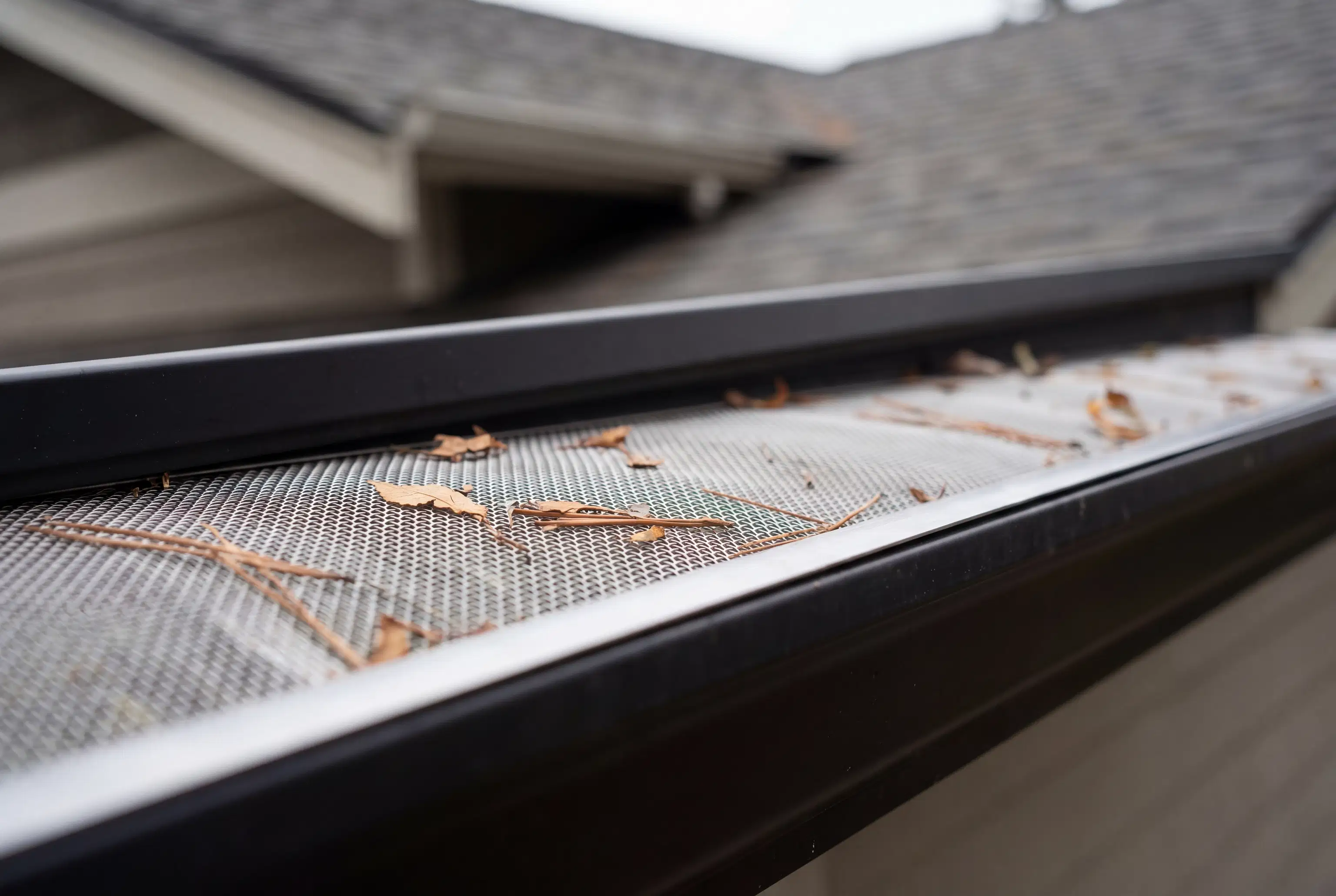
The primary advantage of a sectional setup is the lower initial material cost. If a single section gets damaged by a falling tree limb, you can theoretically replace just that specific piece rather than the entire run. However, the major drawback lies in those very connections. Every seam where two pieces meet is a potential weak point. Over time, the sealant degrades under the intense Alabama sun and heavy rainfall. Debris like pine needles and oak leaves naturally catch on the internal ridges of these seams, leading to clogs, pooling water, and eventually, leaks that can rot your fascia boards.
The Advantages of Seamless Gutters
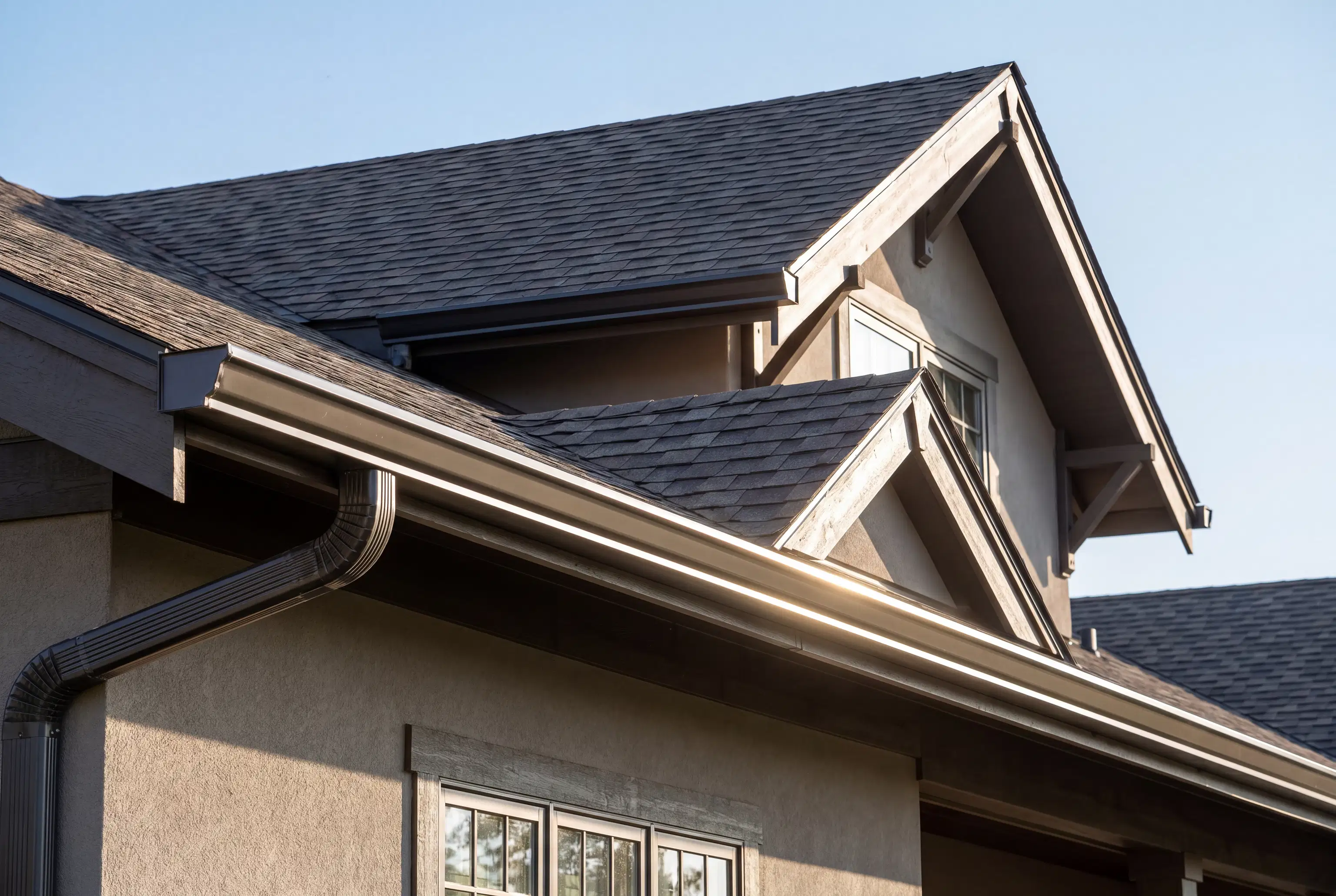
On the other side of the spectrum, we have continuous systems. When weighing seamless gutters vs sectional gutters pros and cons, the most significant difference comes down to custom fabrication. Instead of piecing together pre-cut sections, a professional team brings a specialized extrusion machine directly to your property. A continuous roll of flat aluminum is fed through the machine, instantly forming a perfectly sized gutter that stretches exactly from one corner of your roof to the other.
Because there are no seams along the straight lengths, the chances of leaks developing are drastically reduced. The only joints exist at the corners and where the downspouts connect. This smooth interior also means that water and small debris flow much more freely, significantly lowering your maintenance requirements. For homeowners throughout the Magic City and surrounding suburbs, this durability offers incredible peace of mind. Plus, since the materials are formed right on-site, you avoid the frustrating supply chain delays that sometimes happen when waiting for specific pre-cut factory parts to arrive.
Sizing and Signs It Is Time for an Upgrade
Once you decide on a continuous system, the next step is determining the proper capacity. If you are wondering how to choose the right seamless gutter size, the answer largely depends on your roof's pitch and square footage. Standard residential homes usually require 5-inch gutters. However, if you have a steep roof that sheds water rapidly, or if you live in a larger Over the Mountain home with expansive roof planes, upgrading to a 6-inch system is often recommended to handle the sheer volume of our heavy spring downpours.
So, how do you know when your current setup is failing? There are a few key signs it is time to replace old gutters that every homeowner should watch for. Look for noticeable sagging or pulling away from the roofline, which indicates failing hardware or rotting fascia. If you see peeling paint on your siding, rust spots on the metal, or unexplainable puddles around your foundation after a storm, your drainage system is no longer doing its job. Ignoring these warnings can lead to costly foundation issues and severe water damage over time.
Making the Right Choice for Your Home
Protecting your home from water damage shouldn't be a gamble. While out-of-state storm chasers might knock on your door offering quick, cheap fixes after a heavy weather event, partnering with a licensed, local contractor ensures you receive quality workmanship and genuine accountability. We live and work in this community, and our reputation is built on providing transparent pricing and long-lasting exterior solutions.
Whether you need a complete system overhaul or just an honest assessment of your current drainage, Knight Roofing & Exterior Solutions LLC is here to help y'all protect your most valuable asset. Ready to upgrade your home's defense against the elements? Learn more about our professional gutters installation services, or head over to our contact us page to schedule your free, no-obligation consultation today.